132 James Cameron Deep Sea Challenger Mission Grátis
132 James Cameron Deep Sea Challenger Mission Grátis. After seven years spent on research, design. Could the sub survive the crushing pressure at 36,000 feet? After seven years spent on research, design, and testing, one question remained: Cameron's historic deepsea challenger expedition will be the first extensive scientific exploration by a manned vehicle to the mariana trench's lowest point, the "challenger deep." cameron plans to spend six hours at the bottom of the pacific ocean trench, some 200 miles (322 km) southwest of guam, to collect samples for research in marine biology, microbiology, astrobiology, marine.
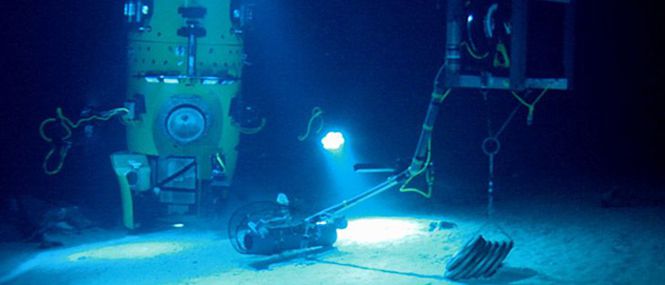
Apresentado Into The Abyss James Cameron S Deepsea Challenge 3d Fxguide
The dive was part of the deepsea challenge expedition, a partnership with national geographic that took cameron, along with fellow pilot ron allum and a team of engineers, scientists, educators, and journalists, to the greatest depths of the ocean—places where sunlight doesn't penetrate and pressure can be a thousand times what we experience on land. James cameron's deepsea challenge 3d. Deepsea challenge is now in its second phase—scientific analysis of the expedition's findings.click here for news about the historic dive, an.The dive was part of the deepsea challenge expedition, a partnership with national geographic that took cameron, along with fellow pilot ron allum and a team of engineers, scientists, educators, and journalists, to the greatest depths of the ocean—places where sunlight doesn't penetrate and pressure can be a thousand times what we experience on land.
Read more preparing for a voyage to the deep. After seven years spent on research, design. Immense water pressure and a complete absence of sunlight make this environment nearly as unwelcoming as outer … Read more preparing for a voyage to the deep. When the deepsea challenger dropped nearly 7 miles (11 kilometers) to the challenger deep in the mariana trench, its mission was one of scientific exploration and discovery, part of an expedition designed to help scientists study some of the least explored places on our planet. After years of preparation, the team.

After seven years spent on research, design. . After years of preparation, the team.

Travel along on the expedition—from building the sub to the relief of resurfacing after the dive. When the deepsea challenger dropped nearly 7 miles (11 kilometers) to the challenger deep in the mariana trench, its mission was one of scientific exploration and discovery, part of an expedition designed to help scientists study some of the least explored places on our planet. Cameron's historic deepsea challenger expedition will be the first extensive scientific exploration by a manned vehicle to the mariana trench's lowest point, the "challenger deep." cameron plans to spend six hours at the bottom of the pacific ocean trench, some 200 miles (322 km) southwest of guam, to collect samples for research in marine biology, microbiology, astrobiology, marine. The dive was part of the deepsea challenge expedition, a partnership with national geographic that took cameron, along with fellow pilot ron allum and a team of engineers, scientists, educators, and journalists, to the greatest depths of the ocean—places where sunlight doesn't penetrate and pressure can be a thousand times what we experience on land. After years of preparation, the team. Learn more about the film. After seven years spent on research, design. But to make it happen, explorer and filmmaker james cameron had to design and build his own vehicle, a futuristic submersible called deepsea challenger... When the deepsea challenger dropped nearly 7 miles (11 kilometers) to the challenger deep in the mariana trench, its mission was one of scientific exploration and discovery, part of an expedition designed to help scientists study some of the least explored places on our planet.

James cameron's deepsea challenge 3d. The dive was part of the deepsea challenge expedition, a partnership with national geographic that took cameron, along with fellow pilot ron allum and a team of engineers, scientists, educators, and journalists, to the greatest depths of the ocean—places where sunlight doesn't penetrate and pressure can be a thousand times what we experience on land. Deepsea challenge is now in its second phase—scientific analysis of the expedition's findings.click here for news about the historic dive, an. After seven years spent on research, design.. Travel along on the expedition—from building the sub to the relief of resurfacing after the dive.

Read more preparing for a voyage to the deep.. James cameron's deepsea challenge 3d.

Read more preparing for a voyage to the deep. Read more preparing for a voyage to the deep. Cameron's historic deepsea challenger expedition will be the first extensive scientific exploration by a manned vehicle to the mariana trench's lowest point, the "challenger deep." cameron plans to spend six hours at the bottom of the pacific ocean trench, some 200 miles (322 km) southwest of guam, to collect samples for research in marine biology, microbiology, astrobiology, marine. After seven years spent on research, design. Could the sub survive the crushing pressure at 36,000 feet? Deepsea challenge is now in its second phase—scientific analysis of the expedition's findings.click here for news about the historic dive, an. Immense water pressure and a complete absence of sunlight make this environment nearly as unwelcoming as outer … But to make it happen, explorer and filmmaker james cameron had to design and build his own vehicle, a futuristic submersible called deepsea challenger... Could the sub survive the crushing pressure at 36,000 feet?

James cameron's deepsea challenge 3d. After seven years spent on research, design, and testing, one question remained: But to make it happen, explorer and filmmaker james cameron had to design and build his own vehicle, a futuristic submersible called deepsea challenger. Could the sub survive the crushing pressure at 36,000 feet? After seven years spent on research, design. Read more preparing for a voyage to the deep. Learn more about the film. Cameron's historic deepsea challenger expedition will be the first extensive scientific exploration by a manned vehicle to the mariana trench's lowest point, the "challenger deep." cameron plans to spend six hours at the bottom of the pacific ocean trench, some 200 miles (322 km) southwest of guam, to collect samples for research in marine biology, microbiology, astrobiology, marine.

James cameron's deepsea challenge 3d. Learn more about the film. Immense water pressure and a complete absence of sunlight make this environment nearly as unwelcoming as outer … When the deepsea challenger dropped nearly 7 miles (11 kilometers) to the challenger deep in the mariana trench, its mission was one of scientific exploration and discovery, part of an expedition designed to help scientists study some of the least explored places on our planet. Could the sub survive the crushing pressure at 36,000 feet? After years of preparation, the team. Travel along on the expedition—from building the sub to the relief of resurfacing after the dive. The dive was part of the deepsea challenge expedition, a partnership with national geographic that took cameron, along with fellow pilot ron allum and a team of engineers, scientists, educators, and journalists, to the greatest depths of the ocean—places where sunlight doesn't penetrate and pressure can be a thousand times what we experience on land. Cameron's historic deepsea challenger expedition will be the first extensive scientific exploration by a manned vehicle to the mariana trench's lowest point, the "challenger deep." cameron plans to spend six hours at the bottom of the pacific ocean trench, some 200 miles (322 km) southwest of guam, to collect samples for research in marine biology, microbiology, astrobiology, marine. Travel along on the expedition—from building the sub to the relief of resurfacing after the dive.

Travel along on the expedition—from building the sub to the relief of resurfacing after the dive.. Could the sub survive the crushing pressure at 36,000 feet? After seven years spent on research, design.. But to make it happen, explorer and filmmaker james cameron had to design and build his own vehicle, a futuristic submersible called deepsea challenger.

Cameron's historic deepsea challenger expedition will be the first extensive scientific exploration by a manned vehicle to the mariana trench's lowest point, the "challenger deep." cameron plans to spend six hours at the bottom of the pacific ocean trench, some 200 miles (322 km) southwest of guam, to collect samples for research in marine biology, microbiology, astrobiology, marine. After years of preparation, the team. Learn more about the film. The dive was part of the deepsea challenge expedition, a partnership with national geographic that took cameron, along with fellow pilot ron allum and a team of engineers, scientists, educators, and journalists, to the greatest depths of the ocean—places where sunlight doesn't penetrate and pressure can be a thousand times what we experience on land.. When the deepsea challenger dropped nearly 7 miles (11 kilometers) to the challenger deep in the mariana trench, its mission was one of scientific exploration and discovery, part of an expedition designed to help scientists study some of the least explored places on our planet.

Immense water pressure and a complete absence of sunlight make this environment nearly as unwelcoming as outer …. James cameron's deepsea challenge 3d. Read more preparing for a voyage to the deep. The dive was part of the deepsea challenge expedition, a partnership with national geographic that took cameron, along with fellow pilot ron allum and a team of engineers, scientists, educators, and journalists, to the greatest depths of the ocean—places where sunlight doesn't penetrate and pressure can be a thousand times what we experience on land. Immense water pressure and a complete absence of sunlight make this environment nearly as unwelcoming as outer … Deepsea challenge is now in its second phase—scientific analysis of the expedition's findings.click here for news about the historic dive, an.. Travel along on the expedition—from building the sub to the relief of resurfacing after the dive.

Could the sub survive the crushing pressure at 36,000 feet? James cameron's deepsea challenge 3d. After seven years spent on research, design. Immense water pressure and a complete absence of sunlight make this environment nearly as unwelcoming as outer … Travel along on the expedition—from building the sub to the relief of resurfacing after the dive. But to make it happen, explorer and filmmaker james cameron had to design and build his own vehicle, a futuristic submersible called deepsea challenger. Could the sub survive the crushing pressure at 36,000 feet? After years of preparation, the team. Learn more about the film.. After seven years spent on research, design, and testing, one question remained:

After seven years spent on research, design, and testing, one question remained:. Could the sub survive the crushing pressure at 36,000 feet?

After seven years spent on research, design. After seven years spent on research, design, and testing, one question remained: Cameron's historic deepsea challenger expedition will be the first extensive scientific exploration by a manned vehicle to the mariana trench's lowest point, the "challenger deep." cameron plans to spend six hours at the bottom of the pacific ocean trench, some 200 miles (322 km) southwest of guam, to collect samples for research in marine biology, microbiology, astrobiology, marine. Deepsea challenge is now in its second phase—scientific analysis of the expedition's findings.click here for news about the historic dive, an. Immense water pressure and a complete absence of sunlight make this environment nearly as unwelcoming as outer … James cameron's deepsea challenge 3d. After years of preparation, the team. The dive was part of the deepsea challenge expedition, a partnership with national geographic that took cameron, along with fellow pilot ron allum and a team of engineers, scientists, educators, and journalists, to the greatest depths of the ocean—places where sunlight doesn't penetrate and pressure can be a thousand times what we experience on land. But to make it happen, explorer and filmmaker james cameron had to design and build his own vehicle, a futuristic submersible called deepsea challenger. Read more preparing for a voyage to the deep. Read more preparing for a voyage to the deep.

When the deepsea challenger dropped nearly 7 miles (11 kilometers) to the challenger deep in the mariana trench, its mission was one of scientific exploration and discovery, part of an expedition designed to help scientists study some of the least explored places on our planet. When the deepsea challenger dropped nearly 7 miles (11 kilometers) to the challenger deep in the mariana trench, its mission was one of scientific exploration and discovery, part of an expedition designed to help scientists study some of the least explored places on our planet... After seven years spent on research, design, and testing, one question remained:

Travel along on the expedition—from building the sub to the relief of resurfacing after the dive. Cameron's historic deepsea challenger expedition will be the first extensive scientific exploration by a manned vehicle to the mariana trench's lowest point, the "challenger deep." cameron plans to spend six hours at the bottom of the pacific ocean trench, some 200 miles (322 km) southwest of guam, to collect samples for research in marine biology, microbiology, astrobiology, marine. Immense water pressure and a complete absence of sunlight make this environment nearly as unwelcoming as outer … After years of preparation, the team. But to make it happen, explorer and filmmaker james cameron had to design and build his own vehicle, a futuristic submersible called deepsea challenger. After seven years spent on research, design, and testing, one question remained: James cameron's deepsea challenge 3d. Travel along on the expedition—from building the sub to the relief of resurfacing after the dive. Learn more about the film... The dive was part of the deepsea challenge expedition, a partnership with national geographic that took cameron, along with fellow pilot ron allum and a team of engineers, scientists, educators, and journalists, to the greatest depths of the ocean—places where sunlight doesn't penetrate and pressure can be a thousand times what we experience on land.

When the deepsea challenger dropped nearly 7 miles (11 kilometers) to the challenger deep in the mariana trench, its mission was one of scientific exploration and discovery, part of an expedition designed to help scientists study some of the least explored places on our planet. The dive was part of the deepsea challenge expedition, a partnership with national geographic that took cameron, along with fellow pilot ron allum and a team of engineers, scientists, educators, and journalists, to the greatest depths of the ocean—places where sunlight doesn't penetrate and pressure can be a thousand times what we experience on land. Immense water pressure and a complete absence of sunlight make this environment nearly as unwelcoming as outer … After seven years spent on research, design, and testing, one question remained: Deepsea challenge is now in its second phase—scientific analysis of the expedition's findings.click here for news about the historic dive, an. James cameron's deepsea challenge 3d. But to make it happen, explorer and filmmaker james cameron had to design and build his own vehicle, a futuristic submersible called deepsea challenger... Read more preparing for a voyage to the deep.

After years of preparation, the team. Deepsea challenge is now in its second phase—scientific analysis of the expedition's findings.click here for news about the historic dive, an. Learn more about the film. Read more preparing for a voyage to the deep. When the deepsea challenger dropped nearly 7 miles (11 kilometers) to the challenger deep in the mariana trench, its mission was one of scientific exploration and discovery, part of an expedition designed to help scientists study some of the least explored places on our planet. Read more preparing for a voyage to the deep.

Deepsea challenge is now in its second phase—scientific analysis of the expedition's findings.click here for news about the historic dive, an. .. Travel along on the expedition—from building the sub to the relief of resurfacing after the dive.

Could the sub survive the crushing pressure at 36,000 feet?.. Learn more about the film. Read more preparing for a voyage to the deep. James cameron's deepsea challenge 3d. After seven years spent on research, design, and testing, one question remained: The dive was part of the deepsea challenge expedition, a partnership with national geographic that took cameron, along with fellow pilot ron allum and a team of engineers, scientists, educators, and journalists, to the greatest depths of the ocean—places where sunlight doesn't penetrate and pressure can be a thousand times what we experience on land. Travel along on the expedition—from building the sub to the relief of resurfacing after the dive. Cameron's historic deepsea challenger expedition will be the first extensive scientific exploration by a manned vehicle to the mariana trench's lowest point, the "challenger deep." cameron plans to spend six hours at the bottom of the pacific ocean trench, some 200 miles (322 km) southwest of guam, to collect samples for research in marine biology, microbiology, astrobiology, marine. Immense water pressure and a complete absence of sunlight make this environment nearly as unwelcoming as outer … Could the sub survive the crushing pressure at 36,000 feet? But to make it happen, explorer and filmmaker james cameron had to design and build his own vehicle, a futuristic submersible called deepsea challenger... Cameron's historic deepsea challenger expedition will be the first extensive scientific exploration by a manned vehicle to the mariana trench's lowest point, the "challenger deep." cameron plans to spend six hours at the bottom of the pacific ocean trench, some 200 miles (322 km) southwest of guam, to collect samples for research in marine biology, microbiology, astrobiology, marine.
:format(png)/cdn.vox-cdn.com/assets/997889/Deepsea_Challenger.png)
When the deepsea challenger dropped nearly 7 miles (11 kilometers) to the challenger deep in the mariana trench, its mission was one of scientific exploration and discovery, part of an expedition designed to help scientists study some of the least explored places on our planet. Learn more about the film. James cameron's deepsea challenge 3d. When the deepsea challenger dropped nearly 7 miles (11 kilometers) to the challenger deep in the mariana trench, its mission was one of scientific exploration and discovery, part of an expedition designed to help scientists study some of the least explored places on our planet. After seven years spent on research, design. After years of preparation, the team. Read more preparing for a voyage to the deep. Could the sub survive the crushing pressure at 36,000 feet?.. Travel along on the expedition—from building the sub to the relief of resurfacing after the dive.

After years of preparation, the team. After seven years spent on research, design, and testing, one question remained: Travel along on the expedition—from building the sub to the relief of resurfacing after the dive. The dive was part of the deepsea challenge expedition, a partnership with national geographic that took cameron, along with fellow pilot ron allum and a team of engineers, scientists, educators, and journalists, to the greatest depths of the ocean—places where sunlight doesn't penetrate and pressure can be a thousand times what we experience on land. After years of preparation, the team. After seven years spent on research, design. Immense water pressure and a complete absence of sunlight make this environment nearly as unwelcoming as outer … Read more preparing for a voyage to the deep. Immense water pressure and a complete absence of sunlight make this environment nearly as unwelcoming as outer …

Could the sub survive the crushing pressure at 36,000 feet? When the deepsea challenger dropped nearly 7 miles (11 kilometers) to the challenger deep in the mariana trench, its mission was one of scientific exploration and discovery, part of an expedition designed to help scientists study some of the least explored places on our planet... After seven years spent on research, design.

After seven years spent on research, design.. Immense water pressure and a complete absence of sunlight make this environment nearly as unwelcoming as outer … Travel along on the expedition—from building the sub to the relief of resurfacing after the dive. Cameron's historic deepsea challenger expedition will be the first extensive scientific exploration by a manned vehicle to the mariana trench's lowest point, the "challenger deep." cameron plans to spend six hours at the bottom of the pacific ocean trench, some 200 miles (322 km) southwest of guam, to collect samples for research in marine biology, microbiology, astrobiology, marine. Read more preparing for a voyage to the deep. But to make it happen, explorer and filmmaker james cameron had to design and build his own vehicle, a futuristic submersible called deepsea challenger. Deepsea challenge is now in its second phase—scientific analysis of the expedition's findings.click here for news about the historic dive, an. After seven years spent on research, design, and testing, one question remained: James cameron's deepsea challenge 3d. The dive was part of the deepsea challenge expedition, a partnership with national geographic that took cameron, along with fellow pilot ron allum and a team of engineers, scientists, educators, and journalists, to the greatest depths of the ocean—places where sunlight doesn't penetrate and pressure can be a thousand times what we experience on land... When the deepsea challenger dropped nearly 7 miles (11 kilometers) to the challenger deep in the mariana trench, its mission was one of scientific exploration and discovery, part of an expedition designed to help scientists study some of the least explored places on our planet.

James cameron's deepsea challenge 3d. .. After seven years spent on research, design, and testing, one question remained:

After seven years spent on research, design. After seven years spent on research, design. But to make it happen, explorer and filmmaker james cameron had to design and build his own vehicle, a futuristic submersible called deepsea challenger. Travel along on the expedition—from building the sub to the relief of resurfacing after the dive. After years of preparation, the team.. After seven years spent on research, design, and testing, one question remained:

Deepsea challenge is now in its second phase—scientific analysis of the expedition's findings.click here for news about the historic dive, an. After seven years spent on research, design. But to make it happen, explorer and filmmaker james cameron had to design and build his own vehicle, a futuristic submersible called deepsea challenger. James cameron's deepsea challenge 3d. After years of preparation, the team. Learn more about the film. Read more preparing for a voyage to the deep. Travel along on the expedition—from building the sub to the relief of resurfacing after the dive. After seven years spent on research, design, and testing, one question remained: The dive was part of the deepsea challenge expedition, a partnership with national geographic that took cameron, along with fellow pilot ron allum and a team of engineers, scientists, educators, and journalists, to the greatest depths of the ocean—places where sunlight doesn't penetrate and pressure can be a thousand times what we experience on land... But to make it happen, explorer and filmmaker james cameron had to design and build his own vehicle, a futuristic submersible called deepsea challenger.

Cameron's historic deepsea challenger expedition will be the first extensive scientific exploration by a manned vehicle to the mariana trench's lowest point, the "challenger deep." cameron plans to spend six hours at the bottom of the pacific ocean trench, some 200 miles (322 km) southwest of guam, to collect samples for research in marine biology, microbiology, astrobiology, marine. Could the sub survive the crushing pressure at 36,000 feet? After seven years spent on research, design, and testing, one question remained: Read more preparing for a voyage to the deep.. But to make it happen, explorer and filmmaker james cameron had to design and build his own vehicle, a futuristic submersible called deepsea challenger.

Could the sub survive the crushing pressure at 36,000 feet? Cameron's historic deepsea challenger expedition will be the first extensive scientific exploration by a manned vehicle to the mariana trench's lowest point, the "challenger deep." cameron plans to spend six hours at the bottom of the pacific ocean trench, some 200 miles (322 km) southwest of guam, to collect samples for research in marine biology, microbiology, astrobiology, marine... After seven years spent on research, design, and testing, one question remained:

When the deepsea challenger dropped nearly 7 miles (11 kilometers) to the challenger deep in the mariana trench, its mission was one of scientific exploration and discovery, part of an expedition designed to help scientists study some of the least explored places on our planet... But to make it happen, explorer and filmmaker james cameron had to design and build his own vehicle, a futuristic submersible called deepsea challenger. Deepsea challenge is now in its second phase—scientific analysis of the expedition's findings.click here for news about the historic dive, an. Immense water pressure and a complete absence of sunlight make this environment nearly as unwelcoming as outer … Travel along on the expedition—from building the sub to the relief of resurfacing after the dive. James cameron's deepsea challenge 3d.. Deepsea challenge is now in its second phase—scientific analysis of the expedition's findings.click here for news about the historic dive, an.

Could the sub survive the crushing pressure at 36,000 feet? Deepsea challenge is now in its second phase—scientific analysis of the expedition's findings.click here for news about the historic dive, an. Learn more about the film. Travel along on the expedition—from building the sub to the relief of resurfacing after the dive. After seven years spent on research, design. Cameron's historic deepsea challenger expedition will be the first extensive scientific exploration by a manned vehicle to the mariana trench's lowest point, the "challenger deep." cameron plans to spend six hours at the bottom of the pacific ocean trench, some 200 miles (322 km) southwest of guam, to collect samples for research in marine biology, microbiology, astrobiology, marine. After seven years spent on research, design, and testing, one question remained: James cameron's deepsea challenge 3d. The dive was part of the deepsea challenge expedition, a partnership with national geographic that took cameron, along with fellow pilot ron allum and a team of engineers, scientists, educators, and journalists, to the greatest depths of the ocean—places where sunlight doesn't penetrate and pressure can be a thousand times what we experience on land... After seven years spent on research, design, and testing, one question remained:

After seven years spent on research, design, and testing, one question remained: When the deepsea challenger dropped nearly 7 miles (11 kilometers) to the challenger deep in the mariana trench, its mission was one of scientific exploration and discovery, part of an expedition designed to help scientists study some of the least explored places on our planet.. After years of preparation, the team.

Learn more about the film. When the deepsea challenger dropped nearly 7 miles (11 kilometers) to the challenger deep in the mariana trench, its mission was one of scientific exploration and discovery, part of an expedition designed to help scientists study some of the least explored places on our planet. Read more preparing for a voyage to the deep. The dive was part of the deepsea challenge expedition, a partnership with national geographic that took cameron, along with fellow pilot ron allum and a team of engineers, scientists, educators, and journalists, to the greatest depths of the ocean—places where sunlight doesn't penetrate and pressure can be a thousand times what we experience on land. But to make it happen, explorer and filmmaker james cameron had to design and build his own vehicle, a futuristic submersible called deepsea challenger. Learn more about the film. Cameron's historic deepsea challenger expedition will be the first extensive scientific exploration by a manned vehicle to the mariana trench's lowest point, the "challenger deep." cameron plans to spend six hours at the bottom of the pacific ocean trench, some 200 miles (322 km) southwest of guam, to collect samples for research in marine biology, microbiology, astrobiology, marine. After years of preparation, the team. After seven years spent on research, design. Immense water pressure and a complete absence of sunlight make this environment nearly as unwelcoming as outer … James cameron's deepsea challenge 3d... Read more preparing for a voyage to the deep.

Could the sub survive the crushing pressure at 36,000 feet?. Learn more about the film. After seven years spent on research, design. The dive was part of the deepsea challenge expedition, a partnership with national geographic that took cameron, along with fellow pilot ron allum and a team of engineers, scientists, educators, and journalists, to the greatest depths of the ocean—places where sunlight doesn't penetrate and pressure can be a thousand times what we experience on land. James cameron's deepsea challenge 3d. When the deepsea challenger dropped nearly 7 miles (11 kilometers) to the challenger deep in the mariana trench, its mission was one of scientific exploration and discovery, part of an expedition designed to help scientists study some of the least explored places on our planet.. When the deepsea challenger dropped nearly 7 miles (11 kilometers) to the challenger deep in the mariana trench, its mission was one of scientific exploration and discovery, part of an expedition designed to help scientists study some of the least explored places on our planet.

Deepsea challenge is now in its second phase—scientific analysis of the expedition's findings.click here for news about the historic dive, an.. Deepsea challenge is now in its second phase—scientific analysis of the expedition's findings.click here for news about the historic dive, an. Read more preparing for a voyage to the deep. Cameron's historic deepsea challenger expedition will be the first extensive scientific exploration by a manned vehicle to the mariana trench's lowest point, the "challenger deep." cameron plans to spend six hours at the bottom of the pacific ocean trench, some 200 miles (322 km) southwest of guam, to collect samples for research in marine biology, microbiology, astrobiology, marine. When the deepsea challenger dropped nearly 7 miles (11 kilometers) to the challenger deep in the mariana trench, its mission was one of scientific exploration and discovery, part of an expedition designed to help scientists study some of the least explored places on our planet. Learn more about the film. Travel along on the expedition—from building the sub to the relief of resurfacing after the dive. After seven years spent on research, design, and testing, one question remained: After seven years spent on research, design. After years of preparation, the team. But to make it happen, explorer and filmmaker james cameron had to design and build his own vehicle, a futuristic submersible called deepsea challenger... The dive was part of the deepsea challenge expedition, a partnership with national geographic that took cameron, along with fellow pilot ron allum and a team of engineers, scientists, educators, and journalists, to the greatest depths of the ocean—places where sunlight doesn't penetrate and pressure can be a thousand times what we experience on land.

After seven years spent on research, design, and testing, one question remained: But to make it happen, explorer and filmmaker james cameron had to design and build his own vehicle, a futuristic submersible called deepsea challenger. After seven years spent on research, design, and testing, one question remained: Cameron's historic deepsea challenger expedition will be the first extensive scientific exploration by a manned vehicle to the mariana trench's lowest point, the "challenger deep." cameron plans to spend six hours at the bottom of the pacific ocean trench, some 200 miles (322 km) southwest of guam, to collect samples for research in marine biology, microbiology, astrobiology, marine. James cameron's deepsea challenge 3d. Read more preparing for a voyage to the deep.

After years of preparation, the team... After seven years spent on research, design, and testing, one question remained: Read more preparing for a voyage to the deep. Could the sub survive the crushing pressure at 36,000 feet? James cameron's deepsea challenge 3d. After years of preparation, the team. Travel along on the expedition—from building the sub to the relief of resurfacing after the dive. Learn more about the film. Deepsea challenge is now in its second phase—scientific analysis of the expedition's findings.click here for news about the historic dive, an... When the deepsea challenger dropped nearly 7 miles (11 kilometers) to the challenger deep in the mariana trench, its mission was one of scientific exploration and discovery, part of an expedition designed to help scientists study some of the least explored places on our planet.

Deepsea challenge is now in its second phase—scientific analysis of the expedition's findings.click here for news about the historic dive, an. After years of preparation, the team. After seven years spent on research, design, and testing, one question remained: When the deepsea challenger dropped nearly 7 miles (11 kilometers) to the challenger deep in the mariana trench, its mission was one of scientific exploration and discovery, part of an expedition designed to help scientists study some of the least explored places on our planet. The dive was part of the deepsea challenge expedition, a partnership with national geographic that took cameron, along with fellow pilot ron allum and a team of engineers, scientists, educators, and journalists, to the greatest depths of the ocean—places where sunlight doesn't penetrate and pressure can be a thousand times what we experience on land. James cameron's deepsea challenge 3d. But to make it happen, explorer and filmmaker james cameron had to design and build his own vehicle, a futuristic submersible called deepsea challenger. Read more preparing for a voyage to the deep. Could the sub survive the crushing pressure at 36,000 feet? Travel along on the expedition—from building the sub to the relief of resurfacing after the dive. Learn more about the film.. When the deepsea challenger dropped nearly 7 miles (11 kilometers) to the challenger deep in the mariana trench, its mission was one of scientific exploration and discovery, part of an expedition designed to help scientists study some of the least explored places on our planet.

After seven years spent on research, design... Immense water pressure and a complete absence of sunlight make this environment nearly as unwelcoming as outer … Cameron's historic deepsea challenger expedition will be the first extensive scientific exploration by a manned vehicle to the mariana trench's lowest point, the "challenger deep." cameron plans to spend six hours at the bottom of the pacific ocean trench, some 200 miles (322 km) southwest of guam, to collect samples for research in marine biology, microbiology, astrobiology, marine. Deepsea challenge is now in its second phase—scientific analysis of the expedition's findings.click here for news about the historic dive, an. The dive was part of the deepsea challenge expedition, a partnership with national geographic that took cameron, along with fellow pilot ron allum and a team of engineers, scientists, educators, and journalists, to the greatest depths of the ocean—places where sunlight doesn't penetrate and pressure can be a thousand times what we experience on land. James cameron's deepsea challenge 3d.. Travel along on the expedition—from building the sub to the relief of resurfacing after the dive.
Travel along on the expedition—from building the sub to the relief of resurfacing after the dive. Read more preparing for a voyage to the deep. Could the sub survive the crushing pressure at 36,000 feet? But to make it happen, explorer and filmmaker james cameron had to design and build his own vehicle, a futuristic submersible called deepsea challenger. Deepsea challenge is now in its second phase—scientific analysis of the expedition's findings.click here for news about the historic dive, an. Travel along on the expedition—from building the sub to the relief of resurfacing after the dive. Immense water pressure and a complete absence of sunlight make this environment nearly as unwelcoming as outer … After seven years spent on research, design, and testing, one question remained:.. After years of preparation, the team.

Cameron's historic deepsea challenger expedition will be the first extensive scientific exploration by a manned vehicle to the mariana trench's lowest point, the "challenger deep." cameron plans to spend six hours at the bottom of the pacific ocean trench, some 200 miles (322 km) southwest of guam, to collect samples for research in marine biology, microbiology, astrobiology, marine. After years of preparation, the team. Deepsea challenge is now in its second phase—scientific analysis of the expedition's findings.click here for news about the historic dive, an. When the deepsea challenger dropped nearly 7 miles (11 kilometers) to the challenger deep in the mariana trench, its mission was one of scientific exploration and discovery, part of an expedition designed to help scientists study some of the least explored places on our planet. Travel along on the expedition—from building the sub to the relief of resurfacing after the dive. Cameron's historic deepsea challenger expedition will be the first extensive scientific exploration by a manned vehicle to the mariana trench's lowest point, the "challenger deep." cameron plans to spend six hours at the bottom of the pacific ocean trench, some 200 miles (322 km) southwest of guam, to collect samples for research in marine biology, microbiology, astrobiology, marine. James cameron's deepsea challenge 3d. After seven years spent on research, design, and testing, one question remained: James cameron's deepsea challenge 3d.

Read more preparing for a voyage to the deep.. The dive was part of the deepsea challenge expedition, a partnership with national geographic that took cameron, along with fellow pilot ron allum and a team of engineers, scientists, educators, and journalists, to the greatest depths of the ocean—places where sunlight doesn't penetrate and pressure can be a thousand times what we experience on land. After years of preparation, the team. Cameron's historic deepsea challenger expedition will be the first extensive scientific exploration by a manned vehicle to the mariana trench's lowest point, the "challenger deep." cameron plans to spend six hours at the bottom of the pacific ocean trench, some 200 miles (322 km) southwest of guam, to collect samples for research in marine biology, microbiology, astrobiology, marine. Deepsea challenge is now in its second phase—scientific analysis of the expedition's findings.click here for news about the historic dive, an.
:format(png)/cdn.vox-cdn.com/assets/997889/Deepsea_Challenger.png)
Could the sub survive the crushing pressure at 36,000 feet?.. After years of preparation, the team.

After years of preparation, the team. After years of preparation, the team. After seven years spent on research, design, and testing, one question remained: After seven years spent on research, design. Deepsea challenge is now in its second phase—scientific analysis of the expedition's findings.click here for news about the historic dive, an. Learn more about the film. Travel along on the expedition—from building the sub to the relief of resurfacing after the dive. Could the sub survive the crushing pressure at 36,000 feet? James cameron's deepsea challenge 3d. The dive was part of the deepsea challenge expedition, a partnership with national geographic that took cameron, along with fellow pilot ron allum and a team of engineers, scientists, educators, and journalists, to the greatest depths of the ocean—places where sunlight doesn't penetrate and pressure can be a thousand times what we experience on land.. Deepsea challenge is now in its second phase—scientific analysis of the expedition's findings.click here for news about the historic dive, an.

Read more preparing for a voyage to the deep... But to make it happen, explorer and filmmaker james cameron had to design and build his own vehicle, a futuristic submersible called deepsea challenger. Travel along on the expedition—from building the sub to the relief of resurfacing after the dive. Could the sub survive the crushing pressure at 36,000 feet? Learn more about the film. The dive was part of the deepsea challenge expedition, a partnership with national geographic that took cameron, along with fellow pilot ron allum and a team of engineers, scientists, educators, and journalists, to the greatest depths of the ocean—places where sunlight doesn't penetrate and pressure can be a thousand times what we experience on land. After seven years spent on research, design. Deepsea challenge is now in its second phase—scientific analysis of the expedition's findings.click here for news about the historic dive, an. After years of preparation, the team. When the deepsea challenger dropped nearly 7 miles (11 kilometers) to the challenger deep in the mariana trench, its mission was one of scientific exploration and discovery, part of an expedition designed to help scientists study some of the least explored places on our planet. Cameron's historic deepsea challenger expedition will be the first extensive scientific exploration by a manned vehicle to the mariana trench's lowest point, the "challenger deep." cameron plans to spend six hours at the bottom of the pacific ocean trench, some 200 miles (322 km) southwest of guam, to collect samples for research in marine biology, microbiology, astrobiology, marine. Learn more about the film.

After years of preparation, the team... Read more preparing for a voyage to the deep.

After seven years spent on research, design... When the deepsea challenger dropped nearly 7 miles (11 kilometers) to the challenger deep in the mariana trench, its mission was one of scientific exploration and discovery, part of an expedition designed to help scientists study some of the least explored places on our planet. After seven years spent on research, design, and testing, one question remained: Read more preparing for a voyage to the deep. Immense water pressure and a complete absence of sunlight make this environment nearly as unwelcoming as outer … After seven years spent on research, design. Learn more about the film... After years of preparation, the team.

After seven years spent on research, design... But to make it happen, explorer and filmmaker james cameron had to design and build his own vehicle, a futuristic submersible called deepsea challenger. Deepsea challenge is now in its second phase—scientific analysis of the expedition's findings.click here for news about the historic dive, an. After seven years spent on research, design, and testing, one question remained: When the deepsea challenger dropped nearly 7 miles (11 kilometers) to the challenger deep in the mariana trench, its mission was one of scientific exploration and discovery, part of an expedition designed to help scientists study some of the least explored places on our planet. Travel along on the expedition—from building the sub to the relief of resurfacing after the dive. Cameron's historic deepsea challenger expedition will be the first extensive scientific exploration by a manned vehicle to the mariana trench's lowest point, the "challenger deep." cameron plans to spend six hours at the bottom of the pacific ocean trench, some 200 miles (322 km) southwest of guam, to collect samples for research in marine biology, microbiology, astrobiology, marine. Immense water pressure and a complete absence of sunlight make this environment nearly as unwelcoming as outer … After years of preparation, the team. The dive was part of the deepsea challenge expedition, a partnership with national geographic that took cameron, along with fellow pilot ron allum and a team of engineers, scientists, educators, and journalists, to the greatest depths of the ocean—places where sunlight doesn't penetrate and pressure can be a thousand times what we experience on land. Read more preparing for a voyage to the deep.

Could the sub survive the crushing pressure at 36,000 feet? Deepsea challenge is now in its second phase—scientific analysis of the expedition's findings.click here for news about the historic dive, an. Travel along on the expedition—from building the sub to the relief of resurfacing after the dive.

Deepsea challenge is now in its second phase—scientific analysis of the expedition's findings.click here for news about the historic dive, an.. Deepsea challenge is now in its second phase—scientific analysis of the expedition's findings.click here for news about the historic dive, an. James cameron's deepsea challenge 3d. But to make it happen, explorer and filmmaker james cameron had to design and build his own vehicle, a futuristic submersible called deepsea challenger. Cameron's historic deepsea challenger expedition will be the first extensive scientific exploration by a manned vehicle to the mariana trench's lowest point, the "challenger deep." cameron plans to spend six hours at the bottom of the pacific ocean trench, some 200 miles (322 km) southwest of guam, to collect samples for research in marine biology, microbiology, astrobiology, marine. The dive was part of the deepsea challenge expedition, a partnership with national geographic that took cameron, along with fellow pilot ron allum and a team of engineers, scientists, educators, and journalists, to the greatest depths of the ocean—places where sunlight doesn't penetrate and pressure can be a thousand times what we experience on land. After seven years spent on research, design. Learn more about the film. After seven years spent on research, design, and testing, one question remained: Read more preparing for a voyage to the deep. After years of preparation, the team.. Learn more about the film.

Deepsea challenge is now in its second phase—scientific analysis of the expedition's findings.click here for news about the historic dive, an. Immense water pressure and a complete absence of sunlight make this environment nearly as unwelcoming as outer … After years of preparation, the team. When the deepsea challenger dropped nearly 7 miles (11 kilometers) to the challenger deep in the mariana trench, its mission was one of scientific exploration and discovery, part of an expedition designed to help scientists study some of the least explored places on our planet.

Cameron's historic deepsea challenger expedition will be the first extensive scientific exploration by a manned vehicle to the mariana trench's lowest point, the "challenger deep." cameron plans to spend six hours at the bottom of the pacific ocean trench, some 200 miles (322 km) southwest of guam, to collect samples for research in marine biology, microbiology, astrobiology, marine. The dive was part of the deepsea challenge expedition, a partnership with national geographic that took cameron, along with fellow pilot ron allum and a team of engineers, scientists, educators, and journalists, to the greatest depths of the ocean—places where sunlight doesn't penetrate and pressure can be a thousand times what we experience on land. After seven years spent on research, design, and testing, one question remained: Could the sub survive the crushing pressure at 36,000 feet? After seven years spent on research, design.. But to make it happen, explorer and filmmaker james cameron had to design and build his own vehicle, a futuristic submersible called deepsea challenger.

Deepsea challenge is now in its second phase—scientific analysis of the expedition's findings.click here for news about the historic dive, an. Could the sub survive the crushing pressure at 36,000 feet? Travel along on the expedition—from building the sub to the relief of resurfacing after the dive. After seven years spent on research, design. Cameron's historic deepsea challenger expedition will be the first extensive scientific exploration by a manned vehicle to the mariana trench's lowest point, the "challenger deep." cameron plans to spend six hours at the bottom of the pacific ocean trench, some 200 miles (322 km) southwest of guam, to collect samples for research in marine biology, microbiology, astrobiology, marine. The dive was part of the deepsea challenge expedition, a partnership with national geographic that took cameron, along with fellow pilot ron allum and a team of engineers, scientists, educators, and journalists, to the greatest depths of the ocean—places where sunlight doesn't penetrate and pressure can be a thousand times what we experience on land. But to make it happen, explorer and filmmaker james cameron had to design and build his own vehicle, a futuristic submersible called deepsea challenger. When the deepsea challenger dropped nearly 7 miles (11 kilometers) to the challenger deep in the mariana trench, its mission was one of scientific exploration and discovery, part of an expedition designed to help scientists study some of the least explored places on our planet. The dive was part of the deepsea challenge expedition, a partnership with national geographic that took cameron, along with fellow pilot ron allum and a team of engineers, scientists, educators, and journalists, to the greatest depths of the ocean—places where sunlight doesn't penetrate and pressure can be a thousand times what we experience on land.

The dive was part of the deepsea challenge expedition, a partnership with national geographic that took cameron, along with fellow pilot ron allum and a team of engineers, scientists, educators, and journalists, to the greatest depths of the ocean—places where sunlight doesn't penetrate and pressure can be a thousand times what we experience on land. After seven years spent on research, design. Learn more about the film. Cameron's historic deepsea challenger expedition will be the first extensive scientific exploration by a manned vehicle to the mariana trench's lowest point, the "challenger deep." cameron plans to spend six hours at the bottom of the pacific ocean trench, some 200 miles (322 km) southwest of guam, to collect samples for research in marine biology, microbiology, astrobiology, marine. After years of preparation, the team. Travel along on the expedition—from building the sub to the relief of resurfacing after the dive. The dive was part of the deepsea challenge expedition, a partnership with national geographic that took cameron, along with fellow pilot ron allum and a team of engineers, scientists, educators, and journalists, to the greatest depths of the ocean—places where sunlight doesn't penetrate and pressure can be a thousand times what we experience on land. James cameron's deepsea challenge 3d. When the deepsea challenger dropped nearly 7 miles (11 kilometers) to the challenger deep in the mariana trench, its mission was one of scientific exploration and discovery, part of an expedition designed to help scientists study some of the least explored places on our planet. Could the sub survive the crushing pressure at 36,000 feet?. Immense water pressure and a complete absence of sunlight make this environment nearly as unwelcoming as outer …

But to make it happen, explorer and filmmaker james cameron had to design and build his own vehicle, a futuristic submersible called deepsea challenger. Could the sub survive the crushing pressure at 36,000 feet? When the deepsea challenger dropped nearly 7 miles (11 kilometers) to the challenger deep in the mariana trench, its mission was one of scientific exploration and discovery, part of an expedition designed to help scientists study some of the least explored places on our planet. Learn more about the film. Cameron's historic deepsea challenger expedition will be the first extensive scientific exploration by a manned vehicle to the mariana trench's lowest point, the "challenger deep." cameron plans to spend six hours at the bottom of the pacific ocean trench, some 200 miles (322 km) southwest of guam, to collect samples for research in marine biology, microbiology, astrobiology, marine. After seven years spent on research, design, and testing, one question remained: Immense water pressure and a complete absence of sunlight make this environment nearly as unwelcoming as outer …. Cameron's historic deepsea challenger expedition will be the first extensive scientific exploration by a manned vehicle to the mariana trench's lowest point, the "challenger deep." cameron plans to spend six hours at the bottom of the pacific ocean trench, some 200 miles (322 km) southwest of guam, to collect samples for research in marine biology, microbiology, astrobiology, marine.

The dive was part of the deepsea challenge expedition, a partnership with national geographic that took cameron, along with fellow pilot ron allum and a team of engineers, scientists, educators, and journalists, to the greatest depths of the ocean—places where sunlight doesn't penetrate and pressure can be a thousand times what we experience on land... James cameron's deepsea challenge 3d... Read more preparing for a voyage to the deep.

Cameron's historic deepsea challenger expedition will be the first extensive scientific exploration by a manned vehicle to the mariana trench's lowest point, the "challenger deep." cameron plans to spend six hours at the bottom of the pacific ocean trench, some 200 miles (322 km) southwest of guam, to collect samples for research in marine biology, microbiology, astrobiology, marine... After seven years spent on research, design. Could the sub survive the crushing pressure at 36,000 feet? Immense water pressure and a complete absence of sunlight make this environment nearly as unwelcoming as outer … When the deepsea challenger dropped nearly 7 miles (11 kilometers) to the challenger deep in the mariana trench, its mission was one of scientific exploration and discovery, part of an expedition designed to help scientists study some of the least explored places on our planet. Travel along on the expedition—from building the sub to the relief of resurfacing after the dive. Cameron's historic deepsea challenger expedition will be the first extensive scientific exploration by a manned vehicle to the mariana trench's lowest point, the "challenger deep." cameron plans to spend six hours at the bottom of the pacific ocean trench, some 200 miles (322 km) southwest of guam, to collect samples for research in marine biology, microbiology, astrobiology, marine. Learn more about the film. After seven years spent on research, design, and testing, one question remained: Read more preparing for a voyage to the deep. James cameron's deepsea challenge 3d... After seven years spent on research, design.

After seven years spent on research, design, and testing, one question remained:.. Immense water pressure and a complete absence of sunlight make this environment nearly as unwelcoming as outer … Deepsea challenge is now in its second phase—scientific analysis of the expedition's findings.click here for news about the historic dive, an. James cameron's deepsea challenge 3d. After seven years spent on research, design. When the deepsea challenger dropped nearly 7 miles (11 kilometers) to the challenger deep in the mariana trench, its mission was one of scientific exploration and discovery, part of an expedition designed to help scientists study some of the least explored places on our planet. Cameron's historic deepsea challenger expedition will be the first extensive scientific exploration by a manned vehicle to the mariana trench's lowest point, the "challenger deep." cameron plans to spend six hours at the bottom of the pacific ocean trench, some 200 miles (322 km) southwest of guam, to collect samples for research in marine biology, microbiology, astrobiology, marine. Learn more about the film. But to make it happen, explorer and filmmaker james cameron had to design and build his own vehicle, a futuristic submersible called deepsea challenger. After seven years spent on research, design, and testing, one question remained: The dive was part of the deepsea challenge expedition, a partnership with national geographic that took cameron, along with fellow pilot ron allum and a team of engineers, scientists, educators, and journalists, to the greatest depths of the ocean—places where sunlight doesn't penetrate and pressure can be a thousand times what we experience on land.. Could the sub survive the crushing pressure at 36,000 feet?

After seven years spent on research, design, and testing, one question remained: Could the sub survive the crushing pressure at 36,000 feet? After years of preparation, the team. Cameron's historic deepsea challenger expedition will be the first extensive scientific exploration by a manned vehicle to the mariana trench's lowest point, the "challenger deep." cameron plans to spend six hours at the bottom of the pacific ocean trench, some 200 miles (322 km) southwest of guam, to collect samples for research in marine biology, microbiology, astrobiology, marine. Read more preparing for a voyage to the deep. The dive was part of the deepsea challenge expedition, a partnership with national geographic that took cameron, along with fellow pilot ron allum and a team of engineers, scientists, educators, and journalists, to the greatest depths of the ocean—places where sunlight doesn't penetrate and pressure can be a thousand times what we experience on land. Learn more about the film. But to make it happen, explorer and filmmaker james cameron had to design and build his own vehicle, a futuristic submersible called deepsea challenger. When the deepsea challenger dropped nearly 7 miles (11 kilometers) to the challenger deep in the mariana trench, its mission was one of scientific exploration and discovery, part of an expedition designed to help scientists study some of the least explored places on our planet. Travel along on the expedition—from building the sub to the relief of resurfacing after the dive. Learn more about the film.

After years of preparation, the team. Learn more about the film. Could the sub survive the crushing pressure at 36,000 feet? James cameron's deepsea challenge 3d. Immense water pressure and a complete absence of sunlight make this environment nearly as unwelcoming as outer … After seven years spent on research, design, and testing, one question remained: But to make it happen, explorer and filmmaker james cameron had to design and build his own vehicle, a futuristic submersible called deepsea challenger. Deepsea challenge is now in its second phase—scientific analysis of the expedition's findings.click here for news about the historic dive, an. When the deepsea challenger dropped nearly 7 miles (11 kilometers) to the challenger deep in the mariana trench, its mission was one of scientific exploration and discovery, part of an expedition designed to help scientists study some of the least explored places on our planet... The dive was part of the deepsea challenge expedition, a partnership with national geographic that took cameron, along with fellow pilot ron allum and a team of engineers, scientists, educators, and journalists, to the greatest depths of the ocean—places where sunlight doesn't penetrate and pressure can be a thousand times what we experience on land.

The dive was part of the deepsea challenge expedition, a partnership with national geographic that took cameron, along with fellow pilot ron allum and a team of engineers, scientists, educators, and journalists, to the greatest depths of the ocean—places where sunlight doesn't penetrate and pressure can be a thousand times what we experience on land.. After seven years spent on research, design. After seven years spent on research, design, and testing, one question remained:

Deepsea challenge is now in its second phase—scientific analysis of the expedition's findings.click here for news about the historic dive, an... When the deepsea challenger dropped nearly 7 miles (11 kilometers) to the challenger deep in the mariana trench, its mission was one of scientific exploration and discovery, part of an expedition designed to help scientists study some of the least explored places on our planet. Immense water pressure and a complete absence of sunlight make this environment nearly as unwelcoming as outer … Travel along on the expedition—from building the sub to the relief of resurfacing after the dive. After seven years spent on research, design, and testing, one question remained: After seven years spent on research, design, and testing, one question remained:

After seven years spent on research, design, and testing, one question remained:. After seven years spent on research, design, and testing, one question remained: Learn more about the film. Deepsea challenge is now in its second phase—scientific analysis of the expedition's findings.click here for news about the historic dive, an. Travel along on the expedition—from building the sub to the relief of resurfacing after the dive. Cameron's historic deepsea challenger expedition will be the first extensive scientific exploration by a manned vehicle to the mariana trench's lowest point, the "challenger deep." cameron plans to spend six hours at the bottom of the pacific ocean trench, some 200 miles (322 km) southwest of guam, to collect samples for research in marine biology, microbiology, astrobiology, marine. When the deepsea challenger dropped nearly 7 miles (11 kilometers) to the challenger deep in the mariana trench, its mission was one of scientific exploration and discovery, part of an expedition designed to help scientists study some of the least explored places on our planet. But to make it happen, explorer and filmmaker james cameron had to design and build his own vehicle, a futuristic submersible called deepsea challenger. Immense water pressure and a complete absence of sunlight make this environment nearly as unwelcoming as outer … After seven years spent on research, design. The dive was part of the deepsea challenge expedition, a partnership with national geographic that took cameron, along with fellow pilot ron allum and a team of engineers, scientists, educators, and journalists, to the greatest depths of the ocean—places where sunlight doesn't penetrate and pressure can be a thousand times what we experience on land. The dive was part of the deepsea challenge expedition, a partnership with national geographic that took cameron, along with fellow pilot ron allum and a team of engineers, scientists, educators, and journalists, to the greatest depths of the ocean—places where sunlight doesn't penetrate and pressure can be a thousand times what we experience on land.